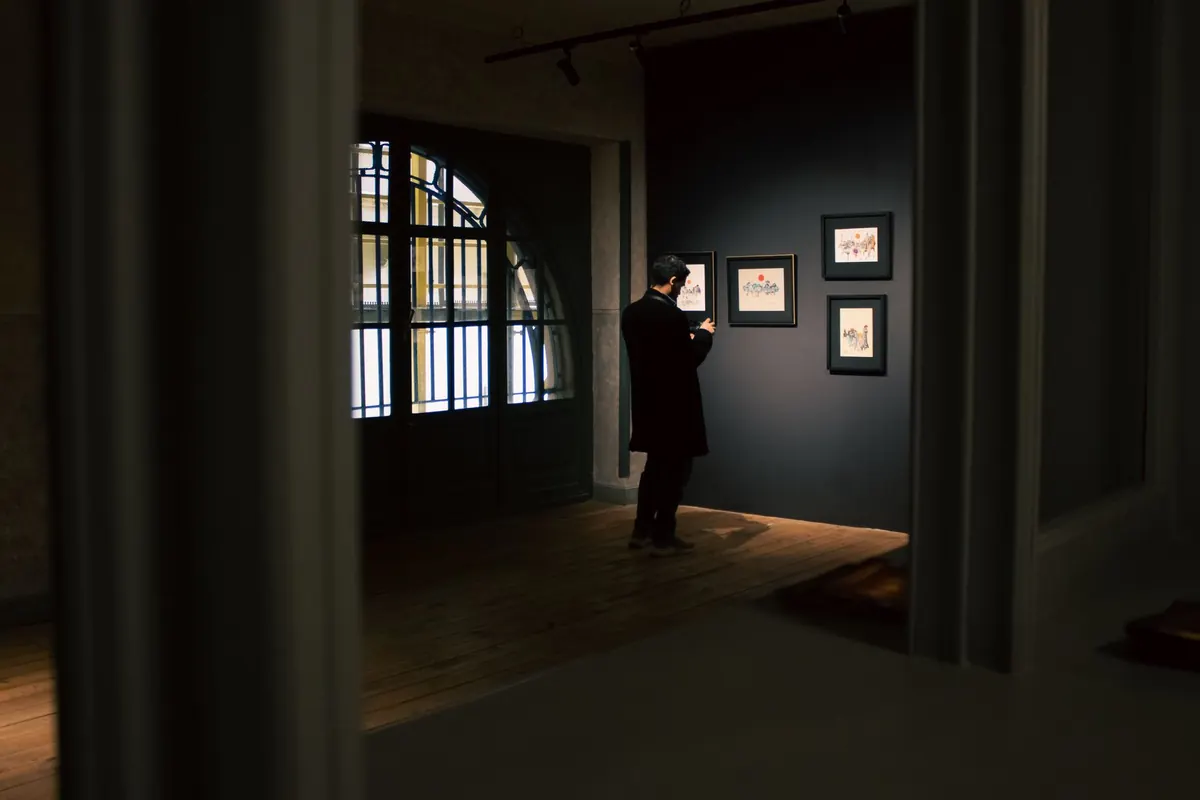
Newcastle and Gateshead squeeze an unusual number of museums, galleries and Roman forts into a few square miles, and most of the big ones let you walk in without paying. That generosity catches people out. You arrive at ten past four on a Sunday, the doors have already stopped admitting visitors, and the afternoon slides into a coffee instead. Pleasant, but not the plan.
Almost every first-visit wobble comes down to the same handful of small assumptions: about hours, about tickets, about how far apart things are, and about what you can and can't do once you're inside. None of it is complicated. It just needs sorting before you set off, not on the doorstep.
Assume nothing about opening times
Tyne & Wear Archives & Museums looks after the Laing Art Gallery, the Great North Museum: Hancock, the Discovery Museum, the Shipley Art Gallery, Segedunum Roman Fort and Arbeia Roman Fort, among others. That shared name does not mean a shared timetable. Some sites close on a set weekday. Several open late one evening a week. BALTIC runs to its own schedule, and the Hatton Gallery at Newcastle University tends to follow term-time patterns rather than a year-round calendar.
The detail that quietly ruins afternoons is last admission. Plenty of venues stop letting people in thirty to forty-five minutes before they close, and the person on the desk has no discretion about it. Check the individual venue's own page on the morning of your visit rather than trusting a listing you read months ago. Bank holidays, school holidays and big city events all move things around.
"Free" does not always mean walk straight in
Free entry generally applies to the permanent collections, and it is genuinely free. Special exhibitions, touring shows and some family activities are separate, ticketed things. If there is one particular exhibition you have come for, book before you travel. Timed slots on Saturday afternoons and during half-term disappear first, and turning up hoping to pay at the door is a gamble you do not need to take.
Donation boxes and contactless giving points sit near most entrances. Nothing is expected of you, and nobody will look sideways if you walk past. But if you have had a good two hours somewhere, a few pounds is a reasonable thank-you, especially at the smaller independent spaces.
Don't over-plan the map
Tyneside's cultural venues look close together on a phone screen. On foot, with a nine-year-old and a coat, they are further apart than you think. The Tyne Bridge and the Swing Bridge make the Quayside walk a good twenty minutes or more, and Gateshead's inland venues add another stretch on top.
- City centre cluster: Laing Art Gallery, Discovery Museum, Great North Museum: Hancock, Hatton Gallery and Newcastle Castle. All within a comfortable walk of Monument or Haymarket Metro, though not all in the same direction.
- Gateshead Quays: BALTIC sits right on the river; the Shipley Art Gallery is a further fifteen to twenty minutes inland, so treat them as two stops rather than one.
- Ouseburn: Seven Stories and the surrounding small venues and studios, downhill from the city centre and easy to combine with a wander along the valley.
- Further out: Segedunum at Wallsend and Arbeia in South Shields both sit near Metro stations, but each is a proper trip rather than a detour.
Two venues in a day is realistic. Three is ambitious. Four means you will spend most of it walking and none of it looking.
The etiquette that actually matters
Museum rules are rarely posted in one tidy place, which is why people fall foul of them. Most of it comes down to common sense, but a few things are worth knowing before you push through the door.
Bags go in a locker or on your front, not swinging at hip height past a nineteenth-century canvas. Food and drink stay in the café, not least because crumbs and Roman pottery are a poor combination. Hands stay off everything, including the frames and the plinths; if there is no glass, that is usually a request rather than an oversight.
Photography is fine in most permanent galleries if you turn the flash off, keep it personal and leave the tripod at home. Special exhibitions often ban it outright, and the sign at the entrance overrides whatever the room attendant told you last time. If you want to sketch, ask at the desk first; pencil rather than ink, and a small sketchbook, is the usual answer.
Beyond that, it is mostly about other people. Keep the walkway in front of a painting clear, take phone calls in the foyer, and let children explore without letting them treat a gallery as a running track. Staff would rather answer a question than clean up after an accident.
Stop trying to see everything in one visit
A large museum can swallow three hours without you noticing, and you will remember almost none of it. Pick three things you actually care about and build the visit around them. The Turbinia at the Discovery Museum, the Hancock's natural history galleries, one room of the Laing's paintings: that is a good afternoon. Anything else is a bonus.
Use the café. Sit down for twenty minutes halfway through. Galleries reward a second visit far more than they reward stamina, and the free permanent collections are not going anywhere.
Don't overlook the small, free places
The headline venues get the crowds, and deservedly so. Meanwhile the Hatton Gallery, Side Gallery, Vane and Northern Print put on sharp, changing shows and rarely ask you for anything. The Shipley's craft collection is one of the most quietly enjoyable rooms in the region. Many of these places run free talks, lunchtime events and late openings, often with a bar and a bit of music. Look at what is on the week you are visiting rather than the week you are planning.
A ten-minute check before you go
- Confirm opening hours and last admission on the venue's own website, on the day.
- Book timed tickets for anything you specifically want to see.
- Work out your route on the Metro and on foot, and accept that two venues is a full day.
- Decide where you are eating before hunger makes the decision for you; city centre cafés fill quickly at lunchtime.
- Check bag, photography and sketching rules so you are not arguing at the door.
- Take a few pounds for the donation box if you can spare it.
Do that much and the day looks after itself. You will still run out of time somewhere, but you will run out of it in a room you chose, with something worth remembering.
Photo: İrem 🎈 / Pexels