Newcastle is a compact city with a very particular shape, and most visitors get one thing wrong before they have even left the station: they assume it works like everywhere else in Britain. It doesn't, quite. The centre is walkable but steep, the river sits at the bottom of a hill, and the gap between a brilliant weekend and a mildly irritating one usually comes down to a handful of details nobody mentions.
None of these mistakes are embarrassing, and none of them are expensive to fix. Here are the ones that trip people up most often.
The city centre is smaller and hillier than the map suggests
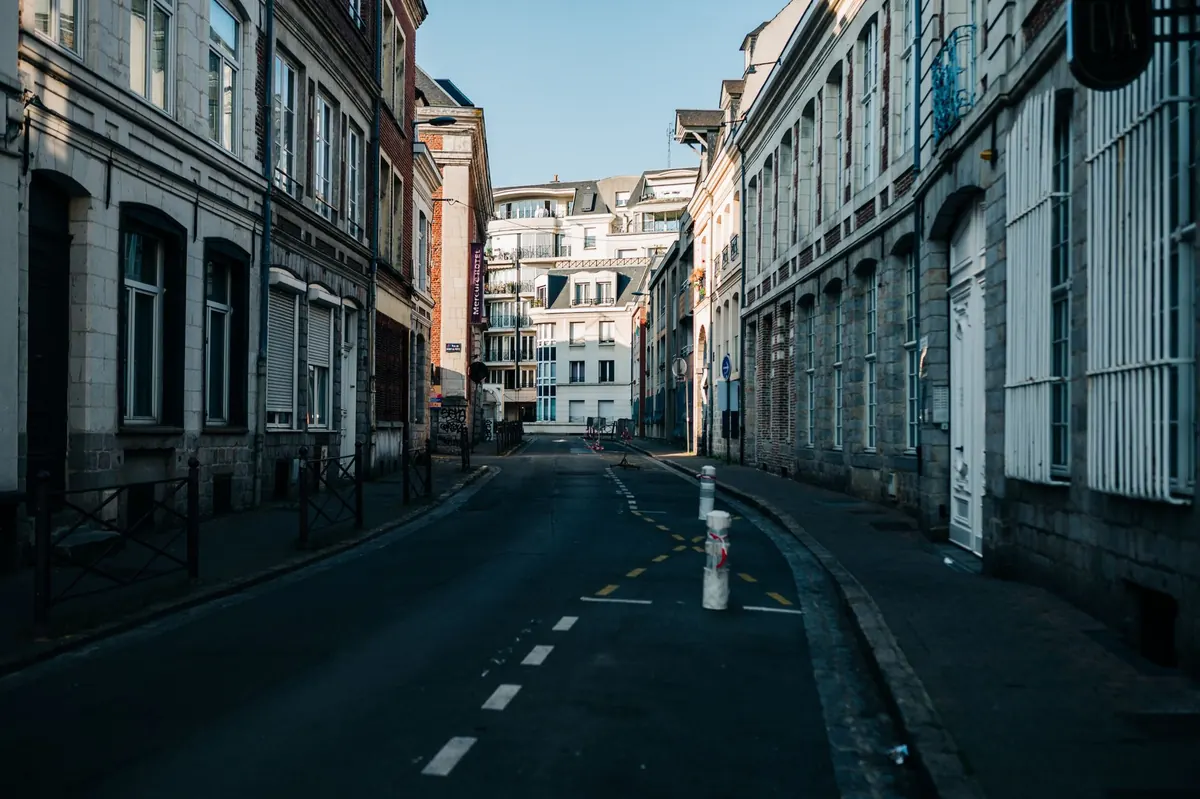
You can walk from Central Station to Grey's Monument in ten minutes, and from the Monument down to the Quayside in another ten. That second stretch is downhill, past Grey Street and down Dean Street, and it is genuinely lovely. The walk back up is not. Visitors routinely book a hotel at the top of the hill and plan an evening on the Quayside, or the reverse, then spend the night in taxis covering a distance that looked trivial on a phone screen.
Newcastle is a city of slopes. If you have mobility issues, are wearing heels, or are pushing a buggy, plan the uphill leg deliberately — bus, taxi, or a slow amble with a stop halfway.
Two related confusion points. First, the Quayside is not the city centre; it's a strip along the river, brilliant for a couple of hours and a meal, but the shops, the market and most of the nightlife sit up the hill. Second, venues on the Gateshead bank — the Baltic, the Glasshouse — look like a different town on a map but are a five-minute walk over the Millennium or Swing Bridge. A Gateshead postcode is not a reason to cancel your plans.
Getting transport wrong: Metro, bus or taxi
The Tyne and Wear Metro is the thing visitors underuse. It runs from Newcastle Airport straight into the centre, out to the coast at Tynemouth and Whitley Bay, and across to Gateshead and Sunderland. It is quick, and on a match day or a Friday night it is far quicker than sitting in traffic.
- Airport to centre: take the Metro. It's direct, and a taxi only wins if you have heavy luggage and hit no traffic at all.
- Centre to the coast: Metro again. Tynemouth in particular is a straightforward run and makes an excellent half-day.
- Ouseburn and Heaton: these are bus or walk territory rather than Metro. Ouseburn is a pleasant downhill walk from the Quayside; get a bus or taxi back up.
- Late at night: the Metro does not run all night, so check the last train before you commit to a night out across the river.
- Tickets: buy from the machine before you travel. A day ticket usually works out better than singles if you're making three or more journeys, and travelling without a valid ticket carries a penalty fare.
Black cabs wait at Central Station and around the Bigg Market, and ride-hailing apps work fine. Ranks can be slow after a match or a gig, so walk a few streets away and try again rather than queueing for half an hour.
Packing for the weather you hoped for
The North East is not the wettest part of the country, but it is one of the windiest, and the wind funnels along the river. A cheap umbrella will turn inside out on the Quayside within about a minute. Bring a hooded waterproof instead, plus layers you can shed, and shoes you can actually walk in on wet stone and cobbles.
Two things surprise people. Even in summer, an evening by the water can be noticeably cooler than the afternoon you spent inland. And rain here often passes through in twenty minutes rather than settling in for the day. Don't cancel an afternoon because it's tipping down at noon — check the hour-by-hour forecast and go anyway.
Tipping and paying: the awkward bits
Most visitors overthink this. In a pub, you order at the bar, pay for each round, and no tip is expected. If someone buys you a drink, the polite move is to offer the next round rather than to hand over cash. In restaurants, check the bill: many places add a service charge, in which case you owe nothing extra. If there isn't one, around ten per cent for good table service is the standard gesture. Cafés are a tip jar or nothing. Taxis: rounding up is plenty.
Card and phone payments are accepted almost everywhere, including market stalls, so you rarely need cash. Keep a note or two for the occasional small place that hasn't caught up.
Choosing a base that doesn't match your trip
Where you sleep decides how much of the city you actually see. A few honest rules:
- First visit, short stay: stay in or near Grainger Town, around the Monument and Grey Street. Everything central is walkable.
- Here for food and drink: the Quayside or Ouseburn suit long evenings, but accept that you'll be going uphill or into a taxi to reach the rest of the city.
- Cheap and cheerful: Jesmond and Heaton are student-heavy, lively and good value, with easy buses into town.
- Seaside and slower: Tynemouth and Whitley Bay work beautifully for a weekend, roughly a Metro ride from the centre.
- Avoid: airport hotels or out-of-town retail parks unless you're driving everywhere. You'll spend your trip commuting.
Underestimating match days, Sundays and booking culture
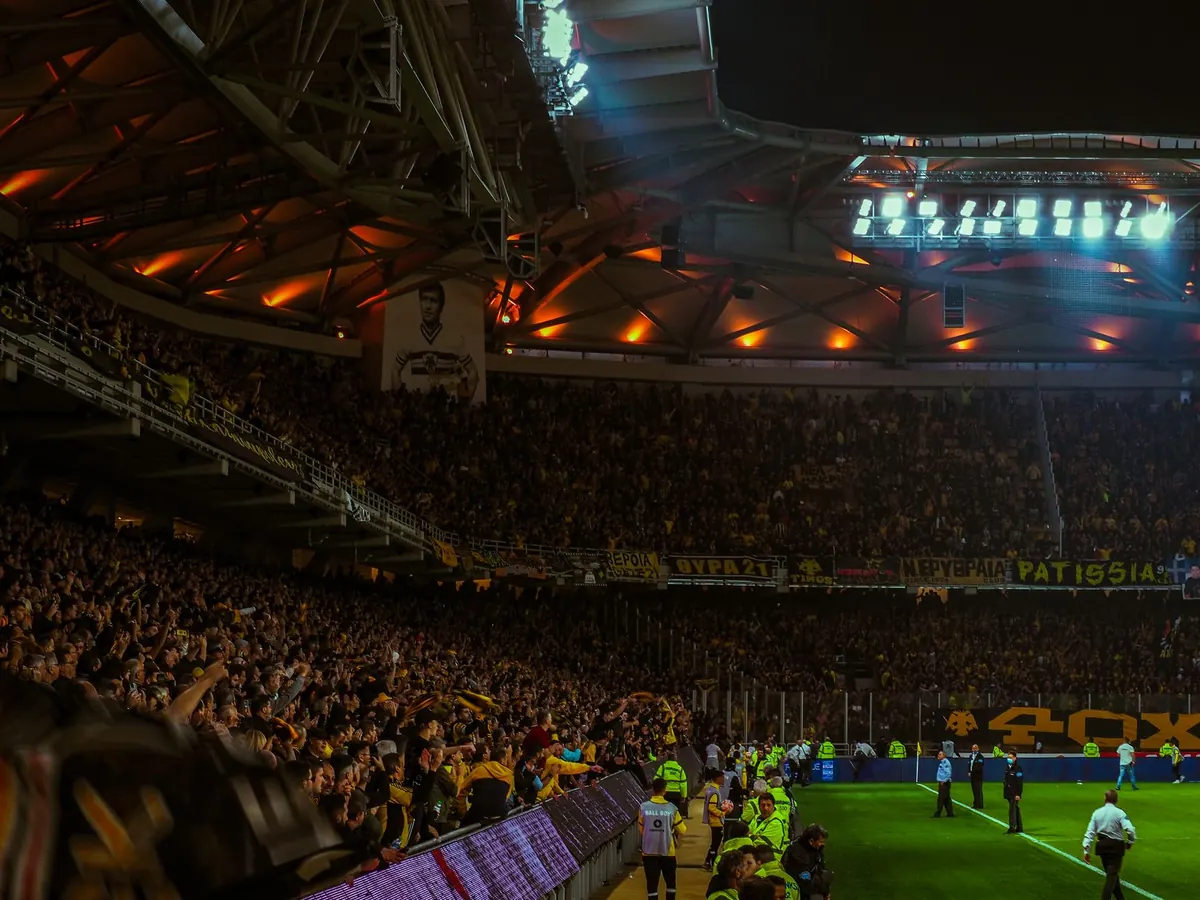
When Newcastle play at home, the city centre and the Metro fill up two hours before kick-off and empty again just as quickly. Pubs near St James' Park are standing room only, and restaurants that are normally quiet get booked out. If your visit coincides with a fixture, book your food in advance and travel earlier than you think you need to.
Sundays are gentler in a way that can catch you out: some independent places close or run shorter hours, and the Metro occasionally runs planned engineering works at weekends. Check the day and check the service before you set off. The Quayside market is worth timing your visit around, so confirm the day it runs rather than assuming.
Booking in general: walk-ins work at lunchtimes and midweek, but for Friday and Saturday evenings in the popular spots, reserve a table. It costs nothing and saves a lot of wandering.
A first-visit plan that actually works
Stay central, buy a day ticket, and treat the Metro as your default rather than a fallback. Pack a hood, wear shoes you can walk in, and walk down to the river while planning to come back up by bus or taxi. Book dinner on your first evening and leave it loose afterwards. Cross the bridge to the Baltic and the Glasshouse, spend a morning at the coast, and give yourself an hour to sit in a pub and talk to whoever's next to you — the city is friendlier than most and it rewards the people who slow down.
If you are budgeting carefully or arranging anything with a financial or contractual commitment, it's worth checking current fares, opening times and cancellation terms directly with the operator or venue before you travel, since these change.
Get those few things right and Newcastle will do the rest. It's a small city with a lot packed in, and the mistakes above are the only real obstacles between you and a very good time.
Photo: Matteo Angeloni / Pexels