No one expects you to arrive on Tyneside already fluent in Geordie. What people notice is effort: an “alreet” offered at the bar, a grin when the bus driver calls you “pet”, a bit of patience when someone says they’re gannin yem for their tea. What follows is a working primer on the words you’ll hear most often and the customs that come with them. Ten phrases will get you through a day. Twenty will start to make you feel like a local.
Geordie, Tyneside and a quick bit of geography
“Geordie” covers the dialect and the people of Tyneside — roughly Newcastle, Gateshead, Wallsend, North Shields, South Shields, Jarrow, Whitley Bay and the towns in between. Cross the Tyne and you’re still in Geordie country. Head down to Sunderland and you’re among Mackems, with a distinct accent and vocabulary of their own. The two cities are close enough to be neighbours and different enough that mixing them up will get you teased. Teesside, further south, is another thing again.
Within Tyneside the speech shifts every few miles. A pensioner in Byker will use far more dialect than a student in Jesmond, and someone from Wallsend may sound nothing like someone from Ryton. That’s normal. If you don’t catch a word, ask. Nine times out of ten you’ll get a cheerful explanation, usually with three more dialect words thrown in for free.
Fifteen words that will carry you a long way
- Alreet — hello, or a general “are you okay?”
- Howay — come on, hurry up, or a nudge of encouragement
- Gan — go. “Gannin yem” means going home
- Yem — home
- Canny — good, nice, kind. Also careful, as in “gan canny”
- Bairn — child
- Nee bother — no problem; also the standard reply to thanks
- Wey aye — of course, certainly
- Belta, belter — excellent, brilliant
- Mortal — very drunk
- Radgie — angry, or someone mid-tantrum
- Nebby — nosy, from “neb”, a nose
- Champion — very good indeed
- The Toon — the city centre, or Newcastle United
- Stottie — a large flat bread bun, the local sandwich base
Grammar matters as much as vocabulary. “Gan” means go, “divvent” means don’t, “canna” means can’t, “nowt” means nothing and “owt” means anything. Double negatives are standard: “I divvent knaa nowt” means “I don’t know anything”. “Wor” means our, so “wor kid” is a sibling and “wor lass” is a partner. None of this is slang put on for effect. It’s simply how people talk, and it comes out strongest when they’re relaxed, tired or among family.
Answering “alreet?” without telling your life story
This is the first thing to get right. “Alreet?” is not a question about your health, your mood or your week. It’s the northern equivalent of a nod, and it expects a short answer. “Aye, not bad, you?” works. So does a plain “alreet” or a “wey aye”.
Alreet? is a greeting, not a question. Keep the answer short and you’ll sound like you’ve been here for years.
Thanks, goodbyes and other small noises
“Ta” is thank you, and “cheers” covers most other situations. When you leave a shop, “cheers, pet” or a simple “thanks, see you” is plenty. “Gan canny” means take care or go carefully, and you’ll hear it as a farewell. “Tara” for goodbye is older and less common, but nobody will be puzzled. Geordies are direct, and that directness is not unkindness. If someone tells you plainly that you’ve done something wrong, they’re doing you a favour rather than making a point.
Pet, hinny and bonny lad: what the affectionate names mean
Pet, hinny, bonny lad, bonny lass, flower — these arrive from shop assistants, bus drivers, bar staff and strangers in the queue. They are not flirting, and they are not talking down to you. They’re the North East’s version of a handshake, handed out to everyone from toddlers to pensioners. “Pet” is common around Newcastle and North Tyneside, “hinny” is heard just about everywhere, and “bonny lad” or “bonny lass” tends to be aimed at younger people. Replying “thanks, pet” is fine. So is a smile.
One word of caution for new arrivals: don’t rush to use them yourself. Dropped in too early and too deliberately, “pet” sounds like a costume. Wait until it feels natural, which it will, probably after a few months of hearing it twenty times a day.
Pub, pavement and Metro: the everyday etiquette
A handful of habits will make you look settled rather than visiting:
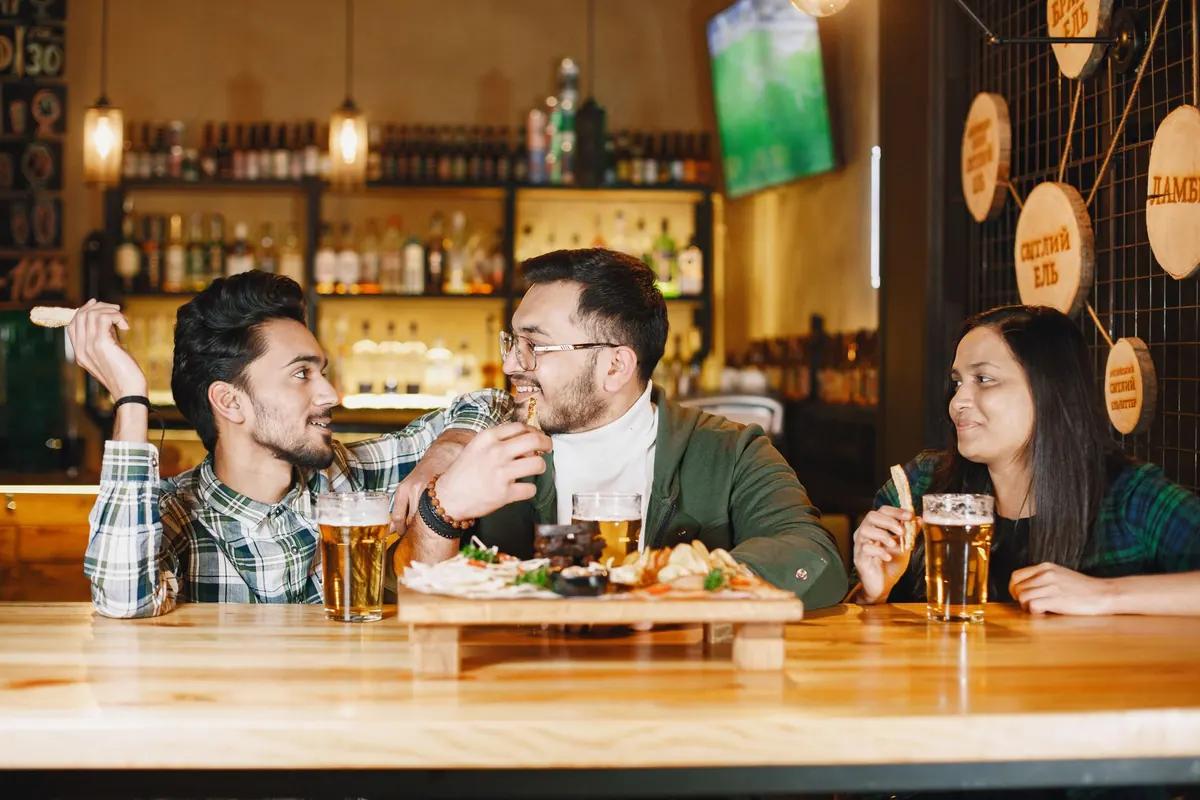
- Order and pay at the bar, and know what you want before you reach it. No clicking fingers, no waving notes, no expecting table service unless there’s a sign saying so.
- Rounds work. If someone buys you a drink, buy the next one back. In a small pub, don’t open a tab unless the staff offer.
- Let people off the Metro before you get on, and give up your seat to anyone who needs it. Keep phone calls brief and quiet.
- On escalators, stand to the right and leave the left clear for people walking.
- Queue in order, but expect conversation while you do it.
- Tea is the evening meal in most Tyneside homes, not a cup of it. If you’re invited round for your tea, that’s dinner.
Small talk is safe territory: the weather, the football, the Metro, the price of a pint, the state of the Coast Road. Politics and the Newcastle–Sunderland rivalry are best left until you know your company.
Football, the Toon and the one-line rule
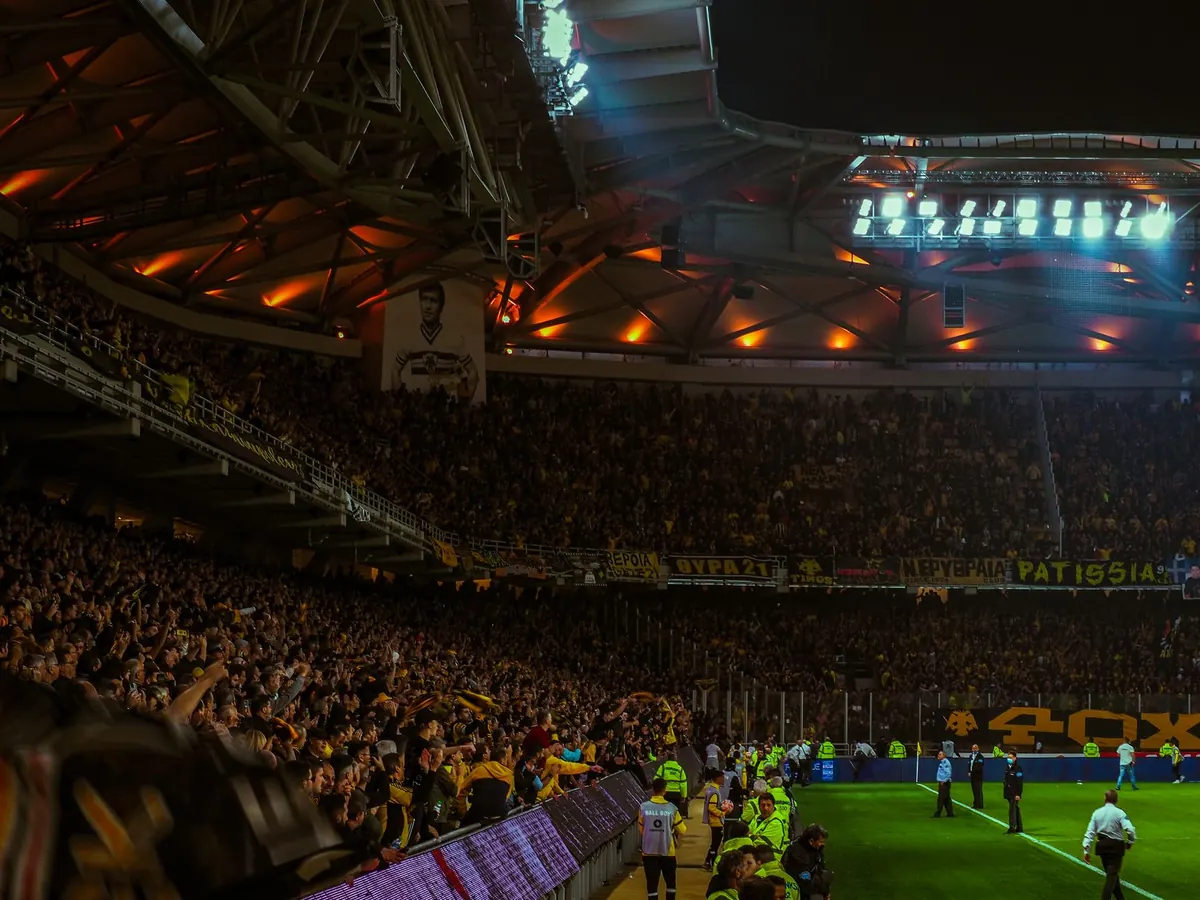
Newcastle United is “the Toon”, and the ground is St James’ Park. On match days the city centre fills with black and white shirts, the Metro gets loud and the pubs open early. Even if football means nothing to you, it helps to know which way the tide runs. Don’t announce your support for Sunderland in a Newcastle pub on derby day. You won’t be in any danger; you will be teased, thoroughly and at length.
If you genuinely don’t care, “I’ve not picked a side yet” is a perfectly good answer. Most people will take it as an invitation to recruit you.
A starter kit for your first few weeks
- Learn five phrases and use them lightly: alreet, gan canny, nee bother, ta, howay.
- Listen more than you perform. Don’t put on the accent; it never lands.
- Ask when you don’t understand. Nobody minds repeating themselves, and most people are quietly pleased you asked.
- Say yes to the pint. Much of the social life here happens by casual invitation, and turning them all down is how newcomers end up lonely.
- Give the warmth back. Hold the door, greet the staff, chat to the person next to you in the queue.
You will get things wrong. You’ll say “howay” when you meant hello, or answer “alreet?” with a full account of your week. Nobody will hold it against you. The standard here isn’t fluency, it’s friendliness — and that, unlike the accent, can be picked up in an afternoon.
Gan canny.
Photo: Gustavo Fring / Pexels